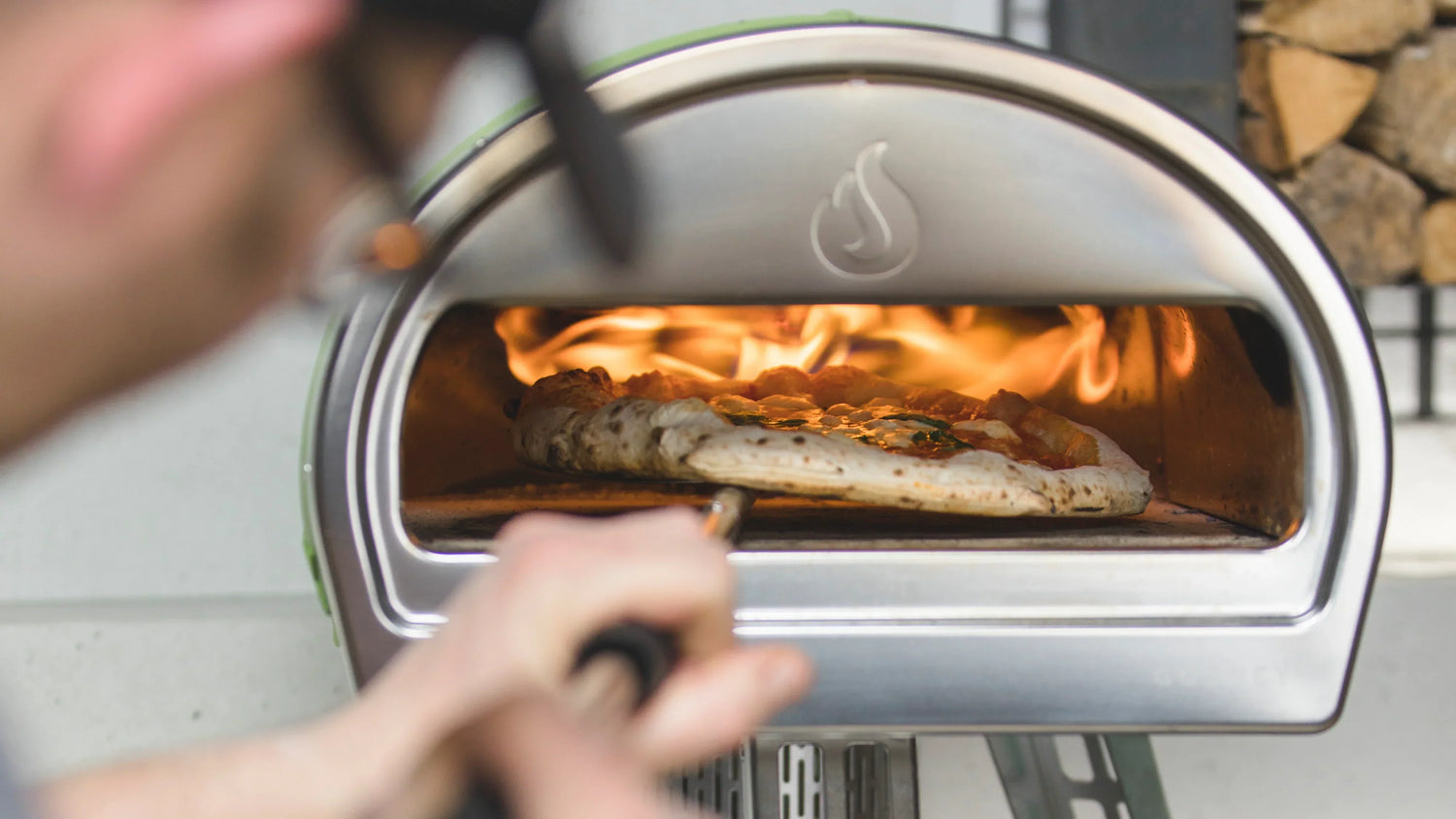
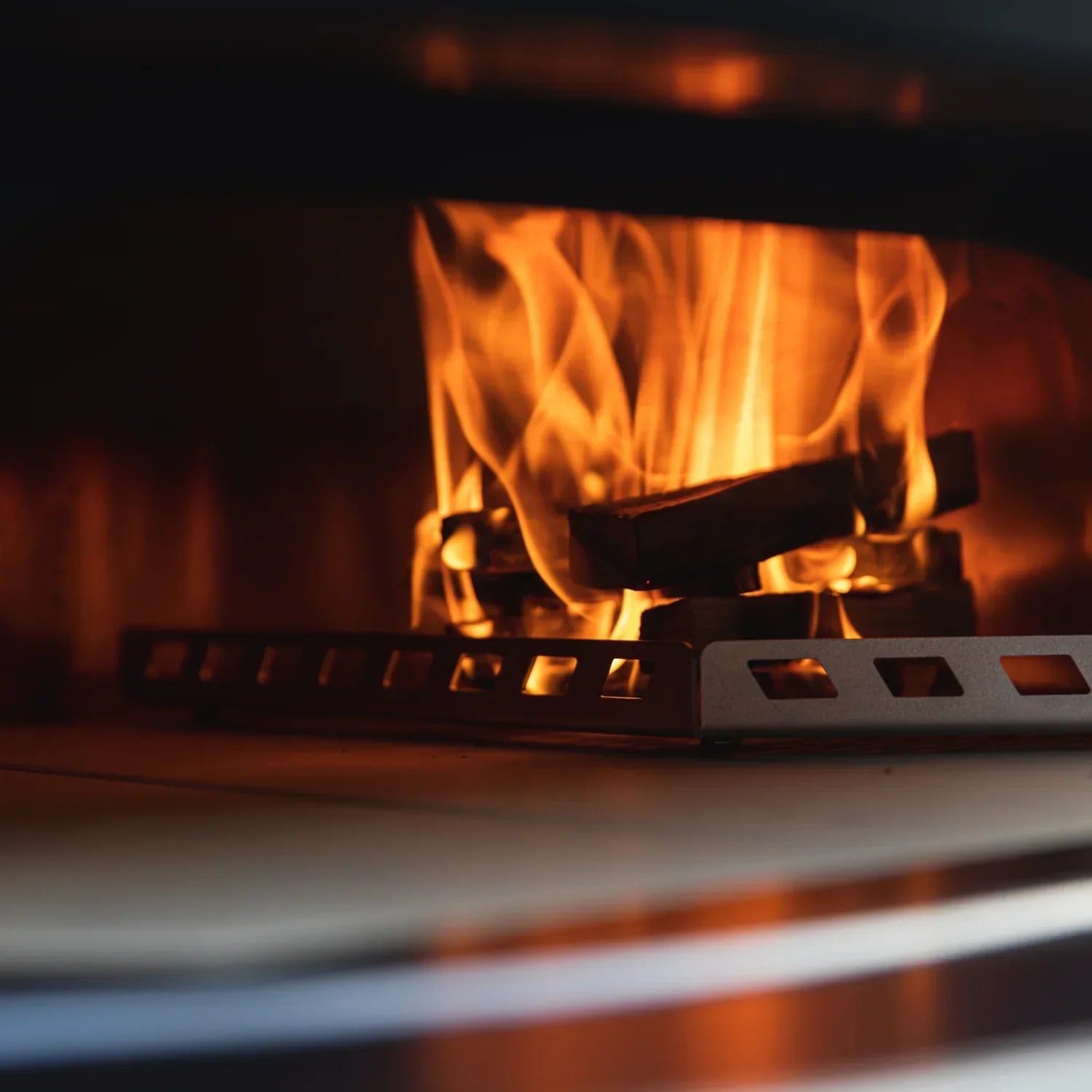
If you’re shopping for a pizza oven, you’ll quickly run into one big decision that quietly shapes everything else: natural gas (NG) or propane (LP)? Both can make unbelievable pizza. Both can hit the temperatures you need. But the day-to-day experience—setup, convenience, cost, and even how your outdoor kitchen flows—can feel totally different depending on which fuel you choose.
This guide is built for people who are actively comparing natural gas vs. propane pizza ovens and want to make a confident decision—especially if you’re looking at a natural gas pizza oven for an outdoor kitchen. We’ll walk through the benefits of NG, the situations where propane still wins, how installation and hose length typically work, what “long-term cost” really means, and why safety and environmental considerations often tilt the scale toward natural gas.
By the end, you’ll have a clear thought process you can use to decide which fuel matches your home, your cooking habits, and your outdoor setup—so you can stop researching and start cooking.

Natural Gas vs. Propane Pizza Ovens
- Natural gas is about continuous supply and convenience. If your home has a gas line, NG can be the “set it and forget it” option—no tanks, no refills, no mid-party surprises.
- Propane is about flexibility and portability. It’s great when you don’t have a gas hookup, you want to move the oven around, or you need fuel independence.
So the best choice is less about which fuel is “better” and more about which one matches the way you’ll use your outdoor oven. If you’re building or upgrading an outdoor kitchen and want a cleaner, simpler routine, natural gas is usually the front-runner.
When to Choose a Natural Gas Pizza Oven?
A natural gas pizza oven is usually the best option for you and your home if:
- You’re setting up a dedicated outdoor kitchen (or a semi-permanent pizza station).
- You already have natural gas at the house (or it’s easy to add).
- You cook often and don’t want to manage propane tanks.
- You want predictable operating costs and fewer errands.
- You prefer the safety characteristics of NG outdoors.
In other words: if the oven is going to live in one place and be used regularly, NG tends to be the best solution—stable, streamlined, always ready.
Outdoor Kitchen Placement and Setup
The Outdoor Kitchen Advantage
Natural gas ovens feel like they were designed for outdoor kitchens because they integrate seamlessly into a permanent layout. Instead of storing tanks, swapping regulators, and planning refills, you’re building around something that behaves like a built-in appliance.
You’re not just buying an oven—you’re building a routine:
- Preheat whenever you want
- Cook back-to-back pizzas without thinking about fuel
- Entertain without watching a tank gauge like it’s a countdown timer
That “always-on tap” mindset is the core reason people switch to natural gas.
How Natural Gas Hookup Typically Works
Most natural gas (NG) outdoor setups follow a common pattern: a natural gas line branches from your home supply, a professional installs a shutoff valve (often with a quick-connect fitting), and then your oven connects via a rated outdoor gas hose to the quick-connect. Conceptually, it’s that straightforward, though local codes and your property layout can add a few extra steps.
Placement Tips That Make NG Setups Feel Premium
To elevate your outdoor oven setup and create that “built-in” look we recommend you consider the below points when deciding where to position your oven and the gas outlet.
- Wind shelter: Even gas ovens benefit from reducing gusts—more stable heat = better flame behavior.
- Clear prep space: A pizza oven without a landing zone feels like a sports car without a road – always ensure you have enough surface space for preparing and serving your pizzas.
- Traffic flow: place the oven where guests won’t crowd your hot zone.
- Distance from combustibles: Keep safe clearance from items such as wood fencing, pergola fabrics, and overhangs.
Ease of Use: No Tanks, No Refills, No Running Out
Natural gas is one of the easiest, most stress-free fuel options for a pizza oven because it eliminates the hassle of tanks, refills, and the dreaded moment of running out mid-cook. While propane can be powerful and convenient, it often comes with a mental checklist—do we have a full tank, how many cooks are left, do we need a backup, where do we store it, and when can we get refills—especially if you cook regularly or host often.
Natural gas removes all that friction by delivering a steady fuel supply, much like having your oven “plugged in” for fuel: no refilling, no swapping tanks, no emergency runs, and no storing cylinders. The result is faster spontaneous cooks (“Let’s do pizza tonight”), smoother entertaining, easier back-to-back pizzas for groups, and consistent performance without tank-pressure anxiety—making natural gas the closest match to the simplicity of using a kitchen stove.

Environmental Considerations: Why NG Is Often Viewed as the Cleaner Option vs. Propane
Both natural gas and propane are widely used, reliable gas fuels. However, many emissions comparisons show natural gas typically produces less CO₂ per unit of heat than propane when burned efficiently, plus it generally burns cleaner when correctly tuned. This is because natural gas is mostly methane and has a lower carbon content per unit of energy, while propane—though also capable of clean combustion—usually results in slightly higher CO₂ emissions for the same heat output.
Another advantage is the convenience-related efficiency: natural gas is delivered by pipeline, avoiding the environmental impact of recurring transport, refilling, swapping, and the storing of cylinders that comes with propane gas. Overall, if portability isn’t a priority, natural gas is commonly seen as a cleaner-burning, lower-CO₂ option in everyday use compared with propane.
Cost Comparison of Natural Gas Vs Propane Gas
When comparing the long-term costs of both gases, propane can look like the cheaper choice at first, but natural gas often becomes the better value option over time—especially for a pizza oven in a permanent outdoor setup.
Propane: Lower Upfront Cost, Quick to Start
With propane, setup is usually straightforward: you buy the oven, connect the regulator and tank, and start cooking. You might add a spare tank, a better gauge, or a storage cover, but you typically avoid large installation costs.
Natural Gas: Higher Upfront Cost, Smoother Long-term
Natural gas requires a one-time installation—often involving the installation of a gas line extension, shutoff valve, and quick-connect fitting (and sometimes a permit/inspection, depending on location). Costs vary based on distance from the meter, whether trenching is needed, and how complex the routing is.
Why NG Can Cost Less in The Long Run
For frequent cooks, natural gas often feels cheaper and more predictable because you’re paying a utility rate instead of retail propane pricing. You also skip refill trips, tank deposits, swaps, and the frustration (and waste) of running out mid-preheat or mid-cook.

The Value of Convenience
If you’re cooking weekly—family pizza nights, hosting friends, and using the oven for more than pizza—propane becomes another thing to manage. Natural gas behaves more like a household utility: always there, ready when you are.
|
Cost Factor |
Natural Gas Pizza Oven |
Propane Pizza Oven |
|
Upfront setup |
Often higher (installation) |
Lower (tank + regulator) |
|
Ongoing fuel |
Usually steady utility cost |
Recurring refill/swap costs |
|
Interruptions |
Rare |
Possible (empty tank mid-cook) |
|
Extra purchases |
Fewer over time |
Spare tanks, refills, storage |
|
Best for |
Frequent, permanent setup |
Occasional use, flexibility |
Overall, if you cook a lot and plan to keep the oven for years, NG offers better long-term value, whereas propane offers a cheaper start-up cost.
Safety: Why Natural Gas Can Be Reassuring Outdoors
Both fuels can be safe when installed properly, but they behave differently outdoors: natural gas is lighter than air and disperses quickly, while propane is heavier and can pool if it leaks, so it needs careful storage and leak checks. Natural gas also reduces day-to-day risk points because there are no tanks to transport or swap. Always follow manufacturer guidance and local codes, and if you smell gas, shut off the supply immediately.
Performance and Cooking Experience: Does NG Cook Differently Than Propane?
People often ask if pizzas taste different on natural gas vs propane. However, in most real cooking scenarios, the bigger factors are oven design, temperature management, preheat time etc. Natural gas and propane can both produce high heat. In well-designed pizza ovens, both can deliver the leopard spotting and fast bakes you’re chasing.
Where NG often “wins” is not taste—it’s consistency. NG offers stable supply, fewer pressure fluctuations, fewer cold-weather surprises and fewer mid-session changes.
Propane can be extremely consistent too—especially with a full tank and mild weather—but NG tends to remove variables for frequent cooks.

Conclusion: Natural Gas Is the “Cook More, Worry Less” Choice
Choosing between natural gas and propane is really choosing between two lifestyles.
Propane is flexible, portable, and easy to start with. It’s the “take it anywhere” fuel.
Natural gas is stable, convenient, and built for consistency. It’s the “always ready” fuel—especially for outdoor kitchens and frequent cooks.
If you’re aiming to build a backyard setup that feels like an extension of your indoor kitchen—where pizza night can happen on a whim and hosting doesn’t require fuel planning—a natural gas pizza oven is often the best long-term decision. The convenience is real, the routine is smoother, and the odds that you’ll use the oven more often go way up.
And at the end of the day, that’s the whole point: more pizzas, more parties, more “let’s do one more pie.”
FAQs
Q. Is natural gas cheaper than propane for a pizza oven?
A. Often, yes—especially over time for frequent users. Natural gas pricing is usually a steady utility cost, while propane is a retail fuel with refill and tank logistics. Upfront installation for NG can cost more, but ongoing use is often more economical.
Q. Do natural gas pizza ovens get as hot as propane ovens?
A. In most modern pizza ovens designed for high heat, both fuels can reach pizza-making temperatures. The bigger differences come from oven design and heat management, not the fuel alone.
Q. Is natural gas safer than propane outdoors?
A. Both can be safe when installed and used correctly. Natural gas is lighter than air and tends to rise and disperse outdoors, while propane is heavier than air and can pool in low areas if it leaks. A professionally installed system and good habits matter most.
Q. When should I choose propane instead of natural gas?
A. Choose propane if you don’t have a natural gas line, you can’t install one (renting or restrictions), you want portability, or you cook only occasionally and don’t mind managing refills.